 EN
 RU
 ES
 AR
 JA
 FR
 PT
 KO
 DE
 IT
Product categories
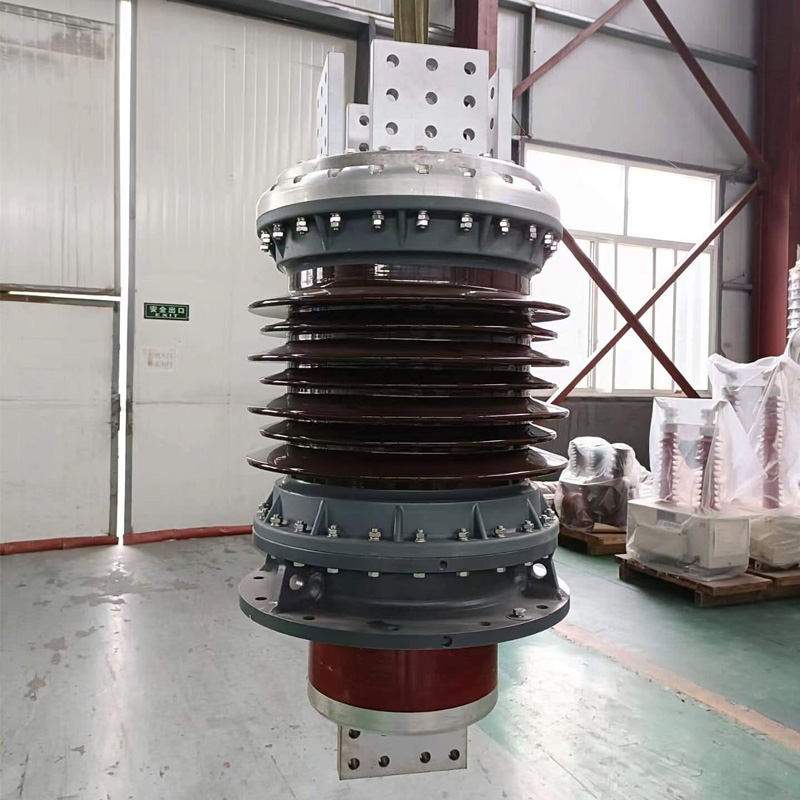
Transformer bushings are specifically designed to connect the windings of a transformer to external circuits, often at very high voltages. Transformer bushing manufacturers use state-of-the-art technologies and materials to produce bushings capable of handling significant electrical stresses. These bushings are engineered to minimize leakage currents and partial discharges, ensuring reliable operation even under demanding conditions. They are commonly found in transformers ranging from medium voltage (MV) to ultra-high voltage (UHV) systems, playing a crucial role in power plants, substations, and grid networks.
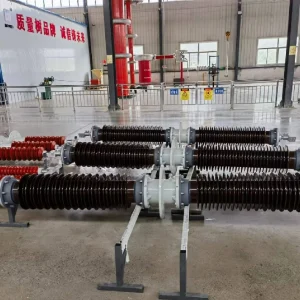
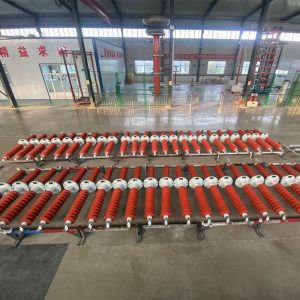
Wall bushings and transformer bushings are crucial components in high-voltage electrical systems, ensuring the safe and efficient transmission of electricity. In China, there is a dynamic ecosystem of wall bushing manufacturer dedicated to producing these essential components. These manufacturers offer competitive quotes and high-quality products that meet international standards.
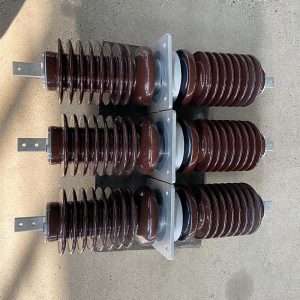
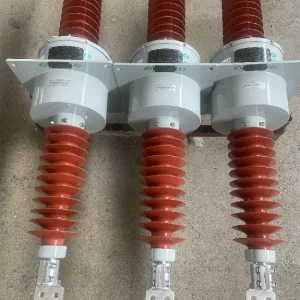
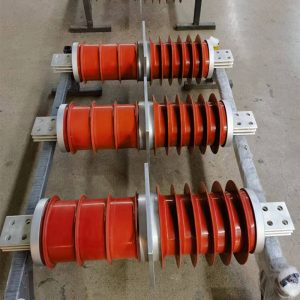
A wall bushing, or wall penetration, is used to pass conductors through walls or barriers while maintaining electrical insulation. Power equipment manufacturer produce these bushings using advanced materials such as porcelain, composite insulators, or epoxy resin. These materials provide excellent dielectric strength and mechanical durability. Wall bushings are designed to withstand harsh environmental conditions, including extreme temperatures and moisture, making them suitable for both indoor and outdoor applications.
Condenser Bushing Application Areas
- Power Substations: In substations, wall bushings are used to safely lead high-voltage cables into or out of the walls or partitions of the substation, ensuring reliable transmission and distribution of electricity.
- Power Plants: In power plants, wall bushings are used to connect power generation equipment to the external power grid, helping to manage and transmit high-voltage current.
- Industrial Facilities: Many industrial facilities need to transmit electricity from one area to another. Wall bushings provide a safe power transmission path in these applications to prevent electrical failures.
- High-voltage Laboratories: In high-voltage laboratories, wall bushings are used to test and study high-voltage equipment and materials, ensuring the safety and accuracy of experiments.
- Railways and Transportation Systems: In railways and other transportation systems, wall bushings are used in power transmission systems to ensure a stable power supply to trains and other electric vehicles.
How to Choose the Right Transformer Bushing Manufacturer
- Voltage Rating: Select the appropriate bushing according to the rated voltage of the transformer. Ensure the bushing can withstand the maximum operating voltage and overvoltage conditions of the system.
- Current Capacity: Choose a bushing that can handle the maximum load current of the transformer to avoid overheating and damage.
- Insulation Material: Different insulation materials (such as ceramics, composites, or resins) have different performance characteristics. Select a material that suits the environmental conditions and application needs.
- Environmental Conditions: Consider the environmental conditions where the bushing will operate, such as temperature, humidity, pollution level, and altitude. Certain materials and designs are better suited to harsh environments.
- Mechanical Strength: Ensure the bushing has enough mechanical strength to withstand the mechanical stresses that may be encountered during installation and operation.
- Standards and Certifications: Choose bushings that comply with international and regional standards (such as IEC, ANSI, etc.) to ensure their quality and safety.
- Technical Support and Services: Select suppliers that provide good technical support and after-sales services to ensure timely assistance during installation and operation.
Advantages of Condenser Bushings
Condenser bushings offer several advantages over traditional bushings. They are designed to distribute electrical stress more evenly, reducing the risk of partial discharges and extending the lifespan of the bushing. Additionally, condenser bushings are typically more compact and lightweight, making them easier to install and maintain. They are also highly resistant to environmental factors such as moisture and pollution, ensuring reliable performance in a wide range of conditions.
By focusing on these areas, wall bushing manufacturers, power equipment manufacturers, and transformer bushing manufacturers can enhance their production capabilities and contribute to more sustainable production practices. Condenser bushings, which are essential for safely insulating and protecting electrical conductors in various applications, also benefit from these advanced manufacturing practices. As a result, condenser bushings are produced with high-quality materials and robust construction, ensuring reliable performance in various applications.